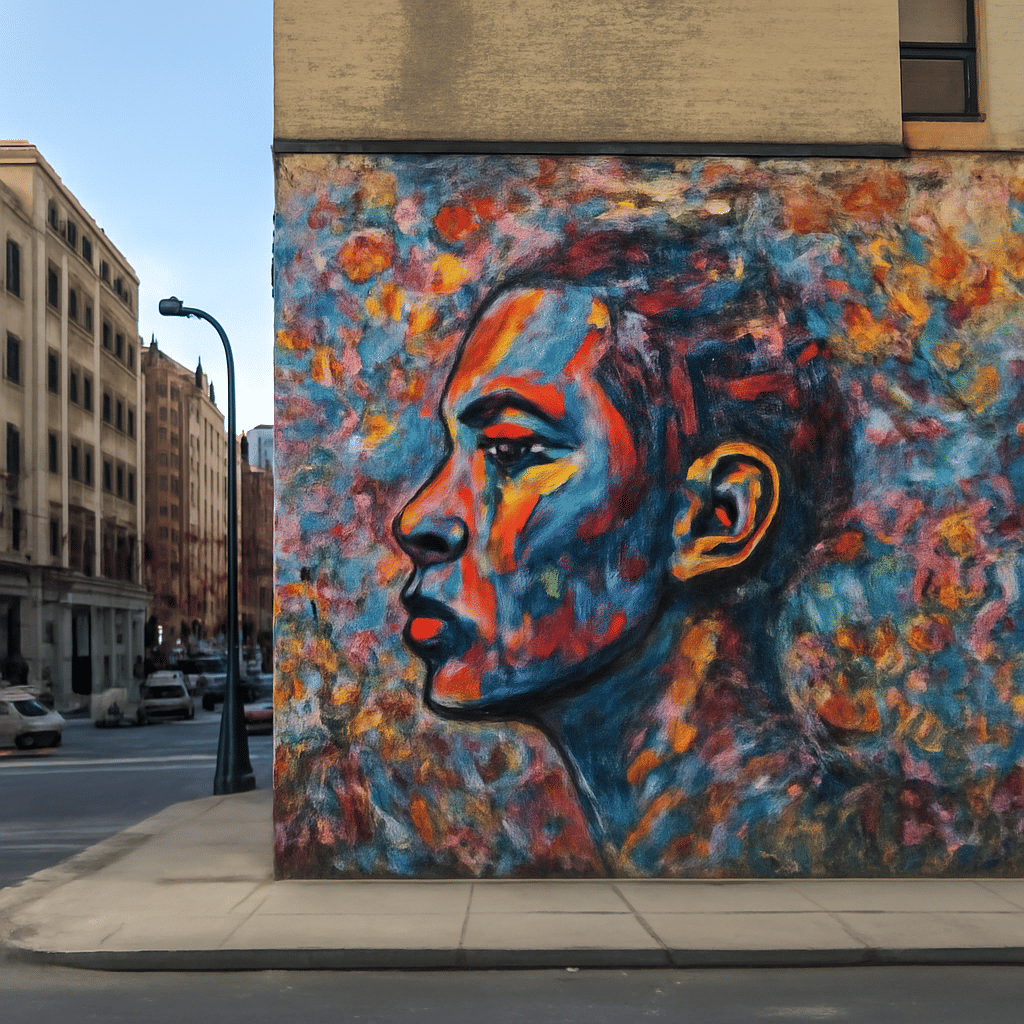
In the heart of urban landscapes, where the hum of daily life rarely pauses, a remarkable form of expression thrives — street art. Often overshadowed by towering skyscrapers and bustling traffic, this art form has become a potent language of the streets, transforming mundane walls into vibrant canvases that tell stories, challenge norms, and brighten cityscapes worldwide.
Street art, often rooted in the spirit of rebellion, has evolved far beyond its origins of hastily sprayed tags and stencils. Today, it stands as a dynamic and integral part of the cultural fabric, a testament to the power of creativity in capturing the zeitgeist. What was once considered an illicit act has gradually infiltrated the mainstream art world, with many artists gaining recognition for their unique contributions to the urban environment.
The allure of street art lies in its accessibility and immediacy. Unlike conventional art housed within the pristine walls of galleries, street art is for everyone. It exists in the open, inviting dialogue and engagement from passersby, whether they pause momentarily or simply walk past. This democratization of art allows anyone, regardless of background, to connect with and interpret the ideas presented.
The vibrancy and diversity found in street art are unmatched. From intricate murals stretching across building facades to thought-provoking installations in unexpected places, each piece is a reflection of the artist's perspective and, often, a commentary on societal issues. Whether it's a colorful tribute to cultural heritage, a poignant message about climate change, or an abstract exploration of human emotion, street art speaks volumes in a manner that defies conventional barriers.
Underground street artists, once elusive figures operating in the shadows, are now celebrated as cultural icons. Their contributions have become a form of visual narrative, conveying stories that might otherwise remain untold. These artists use a myriad of techniques — brushes, sprays, paste-ups, and digital projections — to breathe life into their visions, challenging the boundaries of what art can be and where it can be placed.
While some cities embrace street art by commissioning large-scale murals and organizing festivals that celebrate urban art, the relationship between artists and public authorities is not always harmonious. Debates about property rights, censorship, and the ephemeral nature of street art continue to stir controversy, highlighting the intricate balance between promoting creativity and maintaining order.
Nevertheless, the global street art community persists, a mosaic of voices united by their shared passion for artistic expression. Festivals like the Mural Festival in Montreal and the Upfest in the UK provide platforms for artists to showcase their talents, promoting cross-cultural exchanges and fostering a sense of camaraderie among creatives from diverse backgrounds.
Ultimately, street art is a testament to the resilience and adaptability of the human spirit. It represents the belief that art should not be confined, that creativity knows no bounds, and that every wall holds potential for transformation. In the chaos of city life, street art infuses color, provokes thought, and — perhaps most importantly — offers a voice to those who have something to say.
As cities continue to grow and change, so too will the landscape of street art. With each bold stroke and vibrant hue, the underground street art scene thrives, leaving an indelible mark on the soul of urban life, inviting all who encounter it to pause, reflect, and engage with the artistic discourse it inspires.