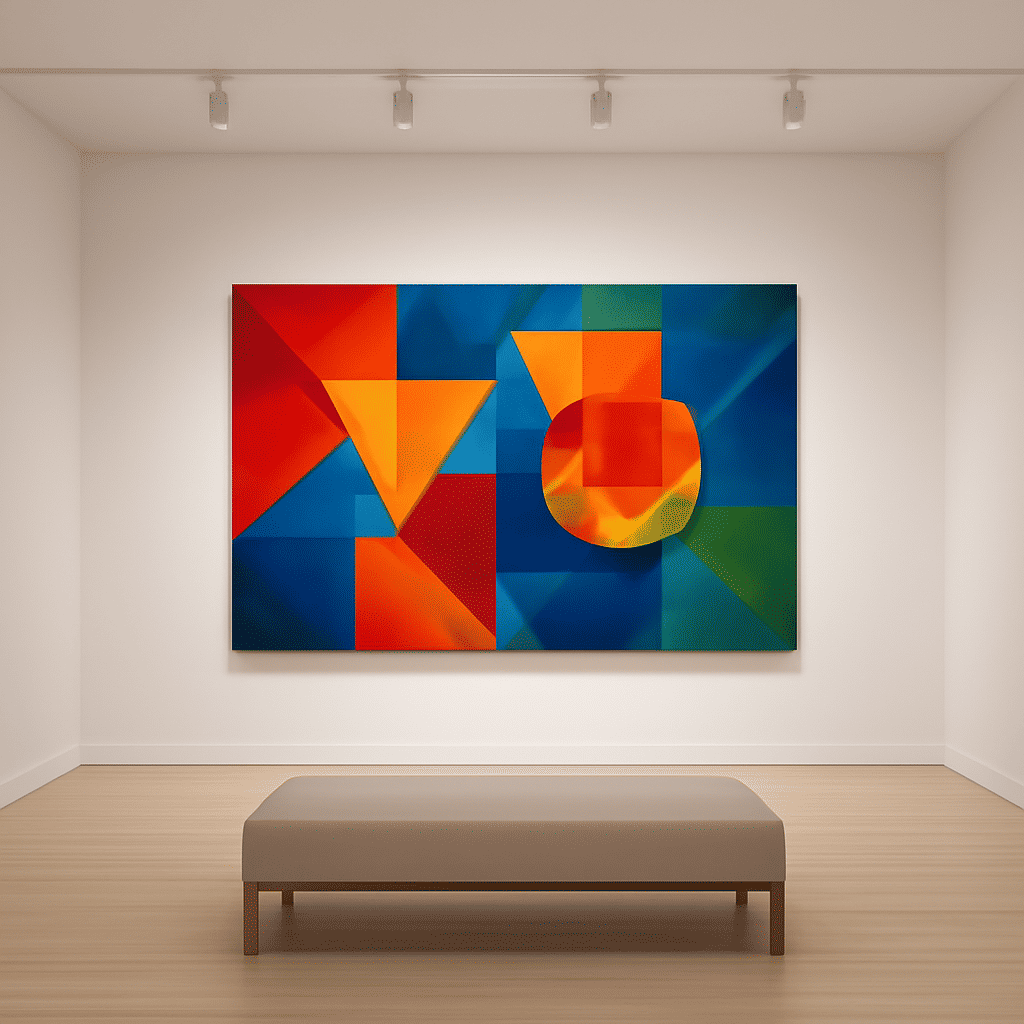
Modern art in the USA is experiencing a profound transformation, as contemporary artists blend time-honored techniques with avant-garde ideas to chart new frontiers in the creative world. This renaissance of modern art represents a fusion where historical mastery meets the progressive spirit of our times, resulting in pieces that are at once familiar and groundbreaking.
Historically, art movements have often been defined by their departure from previous styles, but today's artists seem to be adopting a more integrative approach, cherry-picking elements from the past and present to create something uniquely their own. This contemporary movement transcends merely juxtaposing the old with the new—it is an exploration of the seamless interaction between them.
One notable trend emerging in this artistic renaissance is the resurgence of traditional mediums such as oil painting, charcoal drawing, and fresco work in contemporary contexts. Many artists are revisiting these classic forms, not as a nostalgic return, but as a way to imbue modern narratives with a tactile authenticity. By employing these established techniques, artists provide a sense of continuity and rootedness even as they challenge the limits of their disciplines.
In the domain of sculpture, for example, there is a noticeable revival of lost-wax casting, a technique that dates back to ancient times. Modern sculptors are using this age-old method to create works that speak to current environmental and social themes, thereby marrying the past with the present. The depth and texture of these pieces invite the viewer to contemplate why these methods remain relevant and powerful in conveying today's complex stories.
Additionally, the integration of digital technology with traditional art forms has opened up new possibilities. Artists are increasingly incorporating virtual reality (VR), augmented reality (AR), and digital animation into their projects, thus expanding the boundaries of what art can be. These technological innovations allow artists to create immersive and interactive experiences that engage the audience in multisensory ways. By doing so, they transform passive viewing into active participation, challenging viewers to not only see but to enter and engage with the art.
Moreover, this renaissance is characterized by a renewed focus on themes such as identity, climate, and technology, which resonate with contemporary audiences. Artists are using their platforms to explore and comment on these issues, prompting critical conversations and fostering social change. The blending of traditional and contemporary methods allows for a more nuanced exploration of these themes, offering multiple perspectives and deeper insights.
The impact of this modern art renaissance is also observable in the way art is shared and consumed. Gone are the days when art was confined to elite galleries and private collections; the rise of digital platforms and social media has democratized access to art, allowing a wider audience to discover and appreciate these innovative works. This broad accessibility has created a dynamic dialogue between artists and audiences, amplifying the societal impact of contemporary art.
In essence, the modern American art scene is undergoing a revival that challenges conventional norms while honoring the rich heritage of art history. This renaissance is a celebration of versatility and innovation, a testament to the enduring power of art to reflect and shape culture. As artists continue to redefine the boundaries of their craft, they invite us all to experience the world through fresh eyes and open hearts, ushering in a new era where the past and present converge to inspire the future.