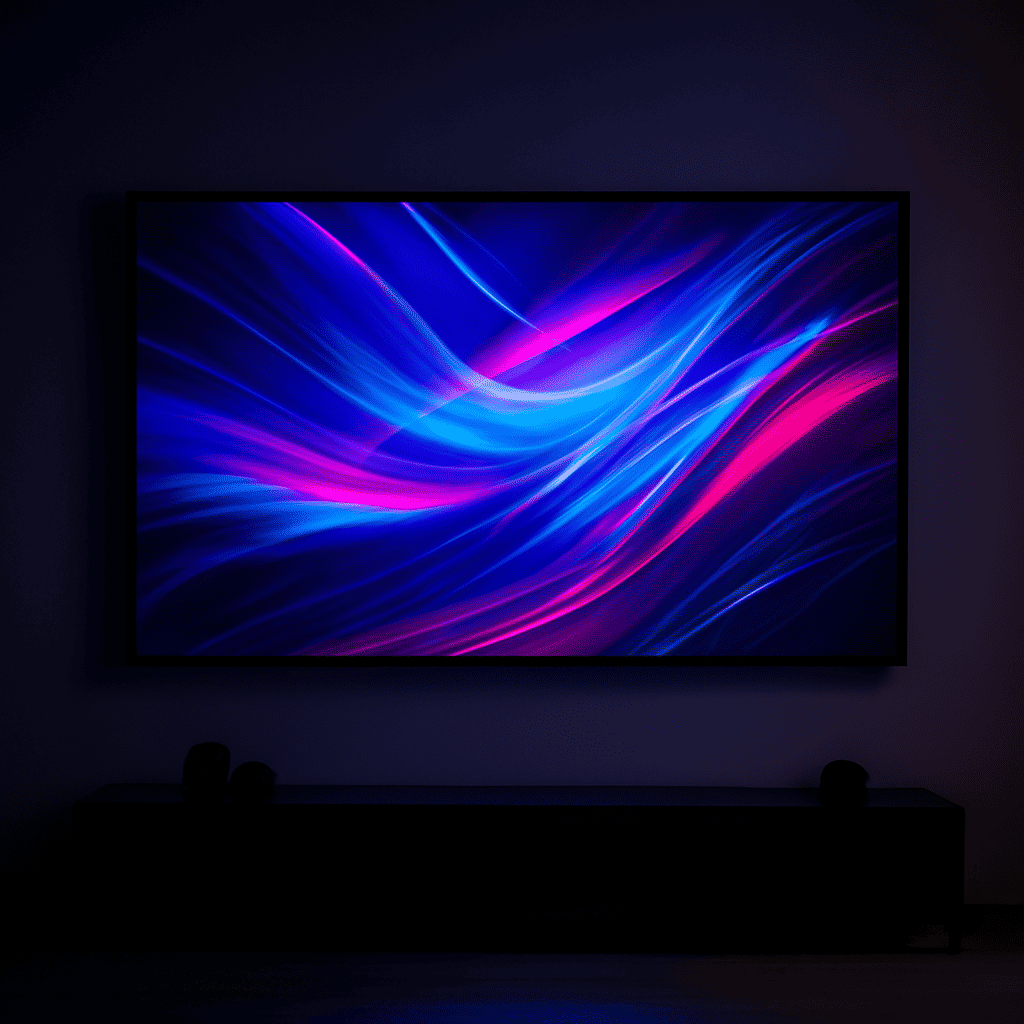
Digital art has traversed a remarkable journey, evolving from its nascent stages to become a dominant force in the artistic world, especially in the USA. As technology continues to evolve at breakneck speed, artists increasingly embrace digital tools to push the boundaries of creative expression and storytelling.
In the early days of digital art, the 1960s and 1970s saw the convergence of traditional art techniques with new technological innovations. At that time, computer-generated art was mostly limited to academic and experimental settings, with early computer graphics incapable of producing anything comparable to hand-crafted artistry. However, this scarcity became a playground for pioneering artists like Frieder Nake and Harold Cohen, who sought to explore the potential of computational art.
The 1980s marked significant strides as personal computers became more widespread. Software like Adobe Illustrator and Photoshop emerged, empowering artists with unprecedented control over their digital creativity. This democratization of digital tools enabled artists to experiment freely, combining traditional art skills with pixel precision. By the end of the decade, digital artworks were beginning to earn recognition in the broader art community, setting the stage for wider acceptance and appreciation.
The 1990s brought about a digital renaissance as the internet's rapid adoption and the growth of digital media provided artists with new platforms and audiences. This era marked the beginning of the digital art movement in earnest, where digital tools became a staple in the creation of artworks. Pioneers such as David Hockney began exploring digital painting, demonstrating the potential of digital devices like tablets and styluses. The rise of digital photography and video art also redefined the traditional boundaries of the medium.
Given its deep integration with technology, the 21st century has witnessed an explosion in the variety and complexity of digital art forms. Artists have tapped into a burgeoning suite of tools, from virtual reality (VR) and augmented reality (AR) to artificial intelligence (AI), advancing the possibilities of storytelling and experience in art. Platforms like DeviantArt and social media channels facilitated artist communities to share, collaborate, and gain feedback, leading to a more interconnected world of creativity.
Furthermore, the evolution of blockchain technology and the subsequent boom in non-fungible tokens (NFTs) have dramatically altered the landscape for digital artists. NFTs have provided artists with a method to assert ownership and monetize their digital creations in ways previously unimaginable, granting digital art a level of legitimacy never before witnessed. This newfound aspect has sparked a revitalized interest in digital art investment and collection.
What truly sets digital art apart is its inherent flexibility and adaptability. Digital artists can craft immersive experiences that harness multiple sensory inputs and transform the viewers into participants. With installations that meld physical spaces with virtual elements, or even entirely virtual worlds, digital art is not confined to any particular medium or genre. It's a constantly evolving pastiche that reflects the ever-changing nature of technology itself.
The USA remains at the forefront of this evolution, fostering innovation through technology hubs like Silicon Valley, paired with renowned art institutions supporting avant-garde endeavors. This symbiotic relationship drives the discourse around the future of art, encouraging discussions and debates about the role of technology in creative expression.
As we progress, the evolution of digital art invites both curiosity and excitement about the future potentials and possibilities. The overlap between art and technology offers endless opportunities, where each technological advancement presents new tools for artists to explore and revolutionize how we perceive and interact with the digital world. Whether through redefining aesthetics or challenging societal norms, digital art continues to captivate our imaginations and expand the horizons of creative expression, embodying art's limitless potential.